1. Definition of Minimalism
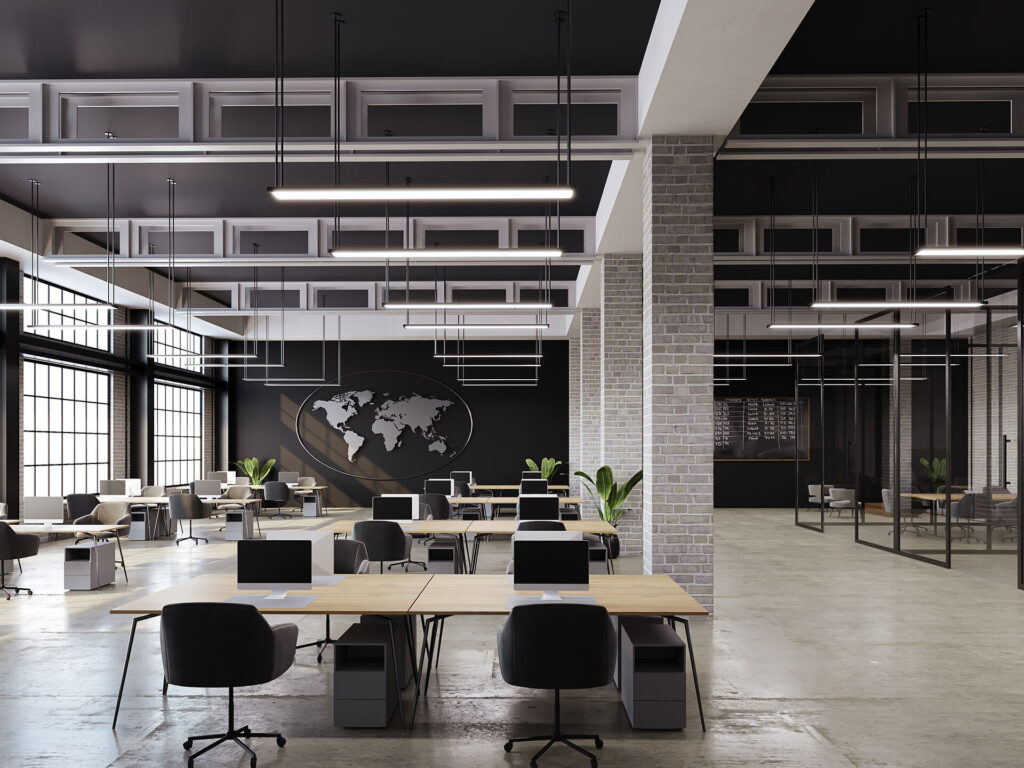
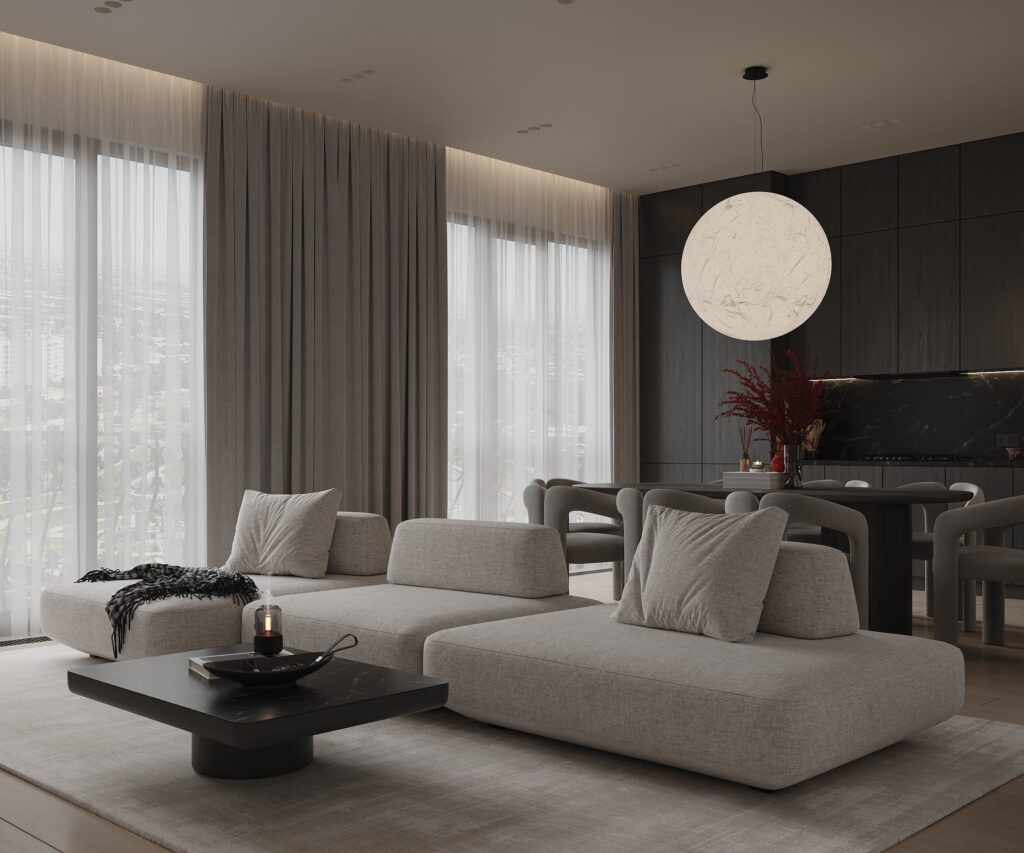
Minimalism – the art of simplicity. This style aims to eliminate unnecessary details, retaining the most quintessential elements to create a clean and coherent beauty for the space.
This concept emphasizes the pure nature of design: “Less but better”. Lines, materials and details are all deliberately selected to bring a balance between function and aesthetics. Minimalism space is where beauty does not come from ostentation, but from depth and tranquility.

- History of birth and development
Minimalism originated in the late 1950s – early 1960s, influenced by Japanese aesthetics and the Bauhaus and De Stijl architectural schools.
The philosophy of “Less is more” by Ludwig Mies van der Rohe – one of the most influential designers – became the guiding principle for this style.

- Outstanding features of Minimalism interior design
- Simplified design: Minimize the form, remove unnecessary details to keep the space neat and airy.
- Function is a priority: Furniture must not only be beautiful but also useful, serving the right needs.
- Intentional layout: All items are arranged reasonably, creating a peaceful and airy feeling.
- Light colors: Neutral color palettes such as white, beige, gray are often used to highlight interior accents.
- Reduce decorations: Only use really necessary and sophisticatedly designed decor items.
- Open space: Prioritize connecting functional areas, reduce partitions to increase the feeling of spaciousness.
- Natural light: Maximize the use of natural light through large glass windows.
- Rustic materials: Wood, concrete, glass, stone… contribute to creating a modern but not cold space.
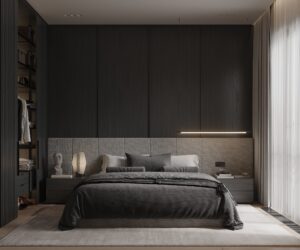
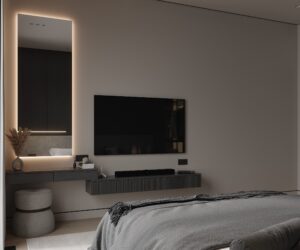
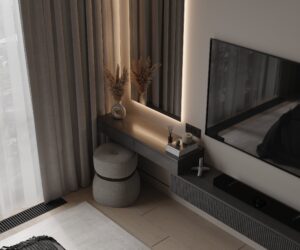
- Application in modern interiors
Minimalist design does not mean that the space becomes monotonous. Each item has its own role and is carefully selected.
This style is suitable for all types of housing – from small apartments to luxury villas. For today’s youth, Minimalism brings a leisurely, less stressful living option and optimizes the value of every square meter of space.
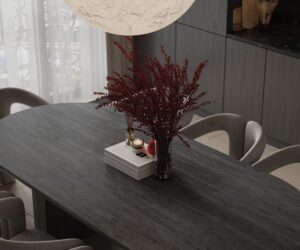
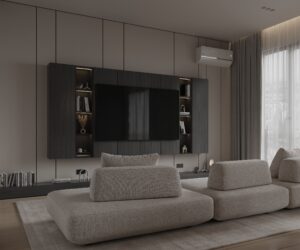
- Minimalist living room
- Sofa: Simple in design, prioritize neutral colors.
- Coffee table: Neat design, round or square surface, light material.
- Shelf: Flat design, few details, optimize storage function.
- Pictures: Abstract content, minimal color and quantity.
- Lights: Prioritize spotlights or slim pendant lights.
- Rugs: Monochromatic, few patterns, suitable for the living room area.
- Extra chair: An armchair is a highlight that is both convenient and stylish.
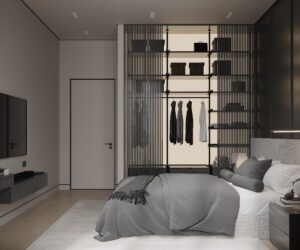
- Minimalism Bedroom
- Bed: Simple, neat design, no headboard or extremely minimalist headboard.
- Bedding: Use smooth material, monochrome or soft pastel colors.
- Curtains: Thin, light, allowing natural light to pass through.
- Closet: Seamless design, hidden handles, scientifically arranged inside.
- Decor: A few carefully selected art pieces.
- Smart, clean kitchen design
- Eliminate excess: Keep only the items that are really necessary.
- Cabinet system: Built-in design, hidden handles or seamless door panels.
- Color palette: Neutral, consistent to make the space look more airy.
- Storage solution: Make the most of space to hide clutter.

- Minimalism – more than a style
Minimalism is more than just a way of decorating, it is a lifestyle statement. Minimalism is about living with a focus on the essentials, eliminating the unnecessary.
If you are considering this style of design, start by defining your lifestyle and your actual needs. A clear plan and a professional companion will help you achieve the living space you want.